Author name: webmaster

News

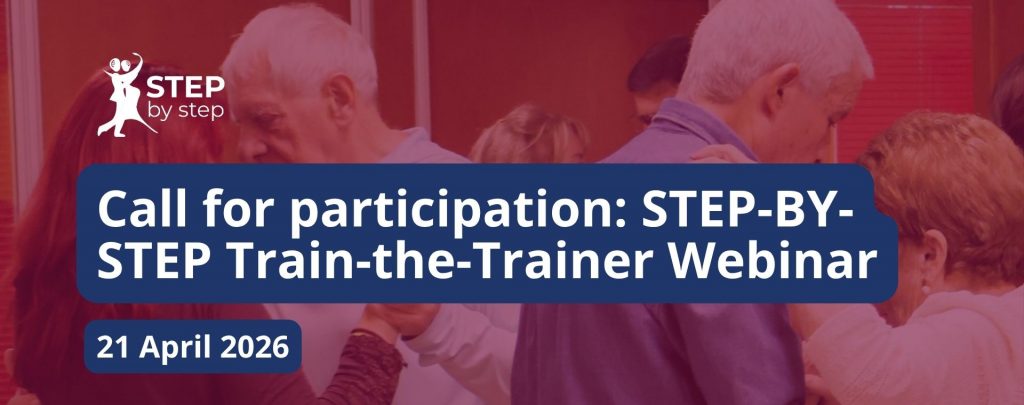
Call for participation: STEP-BY-STEP Train-the-Trainer Webinar

Join our free online webinar on Tuesday 21 April 2026, from 17:00 to 19:00 CEST, as part of the Erasmus+ STEP-BY-STEP: Tango for Active Ageing project. What to expect: – Presentation of the STEP-BY-STEP tango teaching methodology for older adults. – Practical insights from project partners (Spain, Italy, France) on delivering sessions with seniors. – Q&A and discussion on adapting tango for active ageing. Who should join: Tango teachers, dance professionals and anyone interested in using tango to support older people’s physical, cognitive and social well-being. Register now: https://forms.gle/w7mdFiKTSayLRVvs9

News

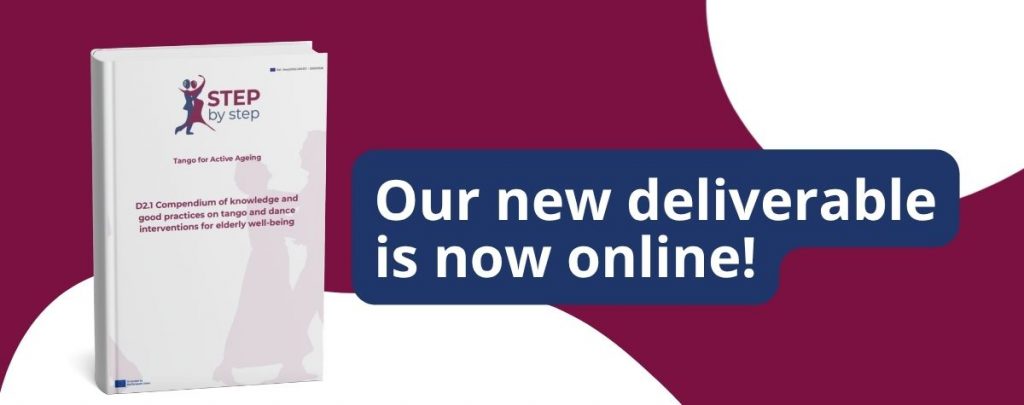
STEP-BY-STEP project publishes new compendium on tango and healthy ageing

The STEP-BY-STEP project has published a new compendium bringing together evidence and good practice on tango and dance interventions for older adults, as part of its work to develop an accessible model for active ageing. The public deliverable, now available online, reviews research on the physical, cognitive, emotional and social benefits of dance, with a particular focus on tango as a tool to support older people’s well-being. It also draws on existing initiatives and practical examples to help shape the project’s own STEP-BY-STEP intervention model, training programme and handbook. Project partners say the publication is an important milestone because it provides the evidence base for the next stages of the initiative, including the design of adapted sessions for seniors and the future training of tango instructors. The document is available on the project website. The STEP-BY-STEP compendium on tango and dance interventions for elderly well-being is available here: https://stepbystep-project.eu/results/

News

Tango therapy gains momentum as STEP-BY-STEP project eyes Parkinson’s benefits

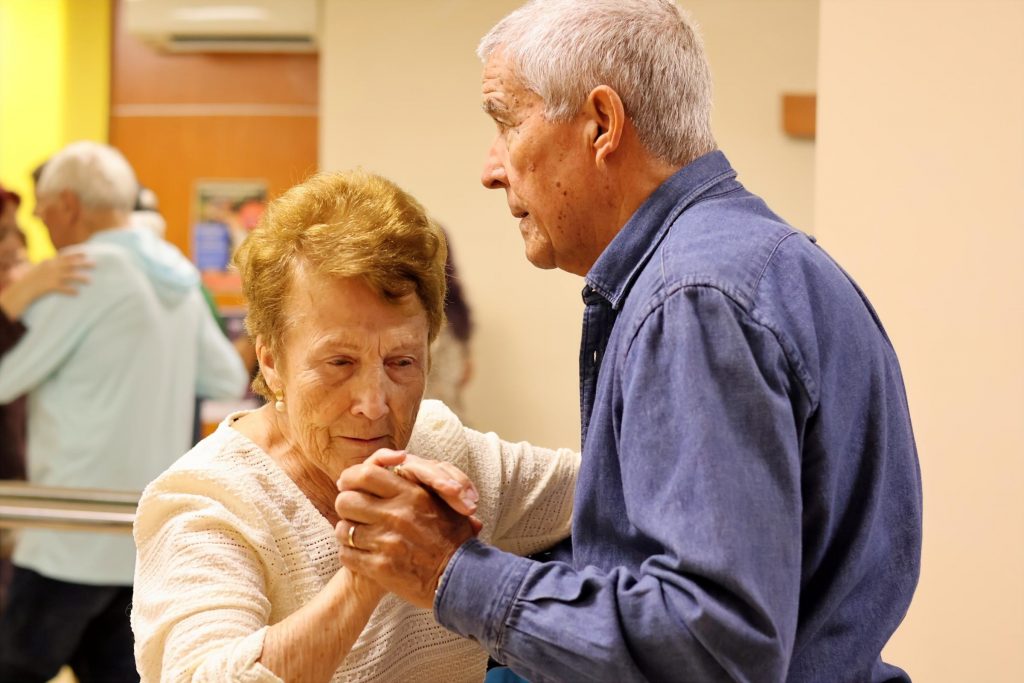
A New York Times report has highlighted tango’s role as an effective therapy for Parkinson’s patients in Buenos Aires, spotlighting evidence that aligns closely with the goals of the EU-funded STEP-BY-STEP project for active ageing. Proven benefits for Parkinson’s patients At Ramos Mejía Hospital in Buenos Aires, around a dozen Parkinson’s patients attend weekly tango sessions designed to improve balance, rigidity and coordination through the dance’s precise steps and pauses. Neurologists Nélida Garretto and Tomoko Arakaki, who helped pioneer the 15-year-old programme, note that tango’s short, slow steps and multi-sensory demands, combining motor, visual and auditory stimuli, help patients master everyday movements like starting and stopping while walking. Professional dancer Manuel Firmani leads warm-ups and classic moves such as the “sanguchito” (sandwich step), adapting them to participants’ varying abilities and encouraging application to daily tasks like navigating doorways or curbs. STEP-BY-STEP draws parallels for neurodegenerative support The STEP-BY-STEP project, coordinated by Asociación Socio-Cultural Abrazos en Movimiento with partners in Italy, France and Spain, explicitly targets tango’s potential for older adults, including those with neurodegenerative conditions like Parkinson’s and Alzheimer’s. Its intervention model, recently finalised at a partners’ meeting in Bergamo, incorporates preparatory exercises, structured tango training and home activities to boost mobility, cognitive stimulation and social interaction—mirroring the Buenos Aires approach. Project leaders see the NYT-highlighted outcomes as validation, reinforcing tango’s non-pharmacological benefits for gait stability, weight-shifting and emotional well-being in vulnerable groups. Free training to expand reach STEP-BY-STEP plans to train at least 60 seniors across partner sites, culminating in public performances, while offering free “train-the-trainer” courses to equip tango instructors with adapted methods. Research backing tango therapy, including studies on gait improvements and brain health, underpins the project’s push for sustainable integration into community and healthcare programmes. Interested teachers are urged to stay tuned for registration details.

News

STEP-BY-STEP project refines tango model at Bergamo trial session

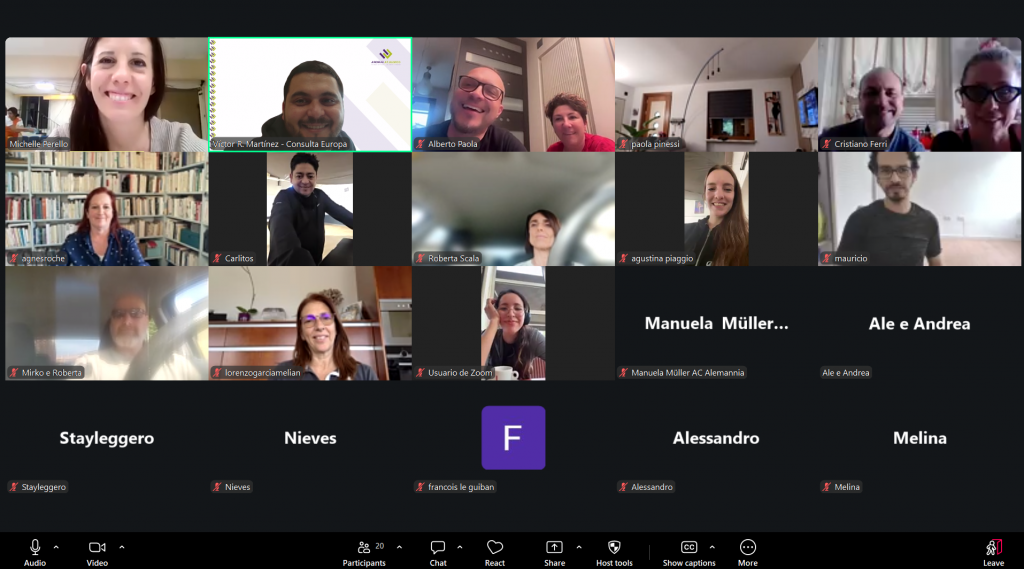
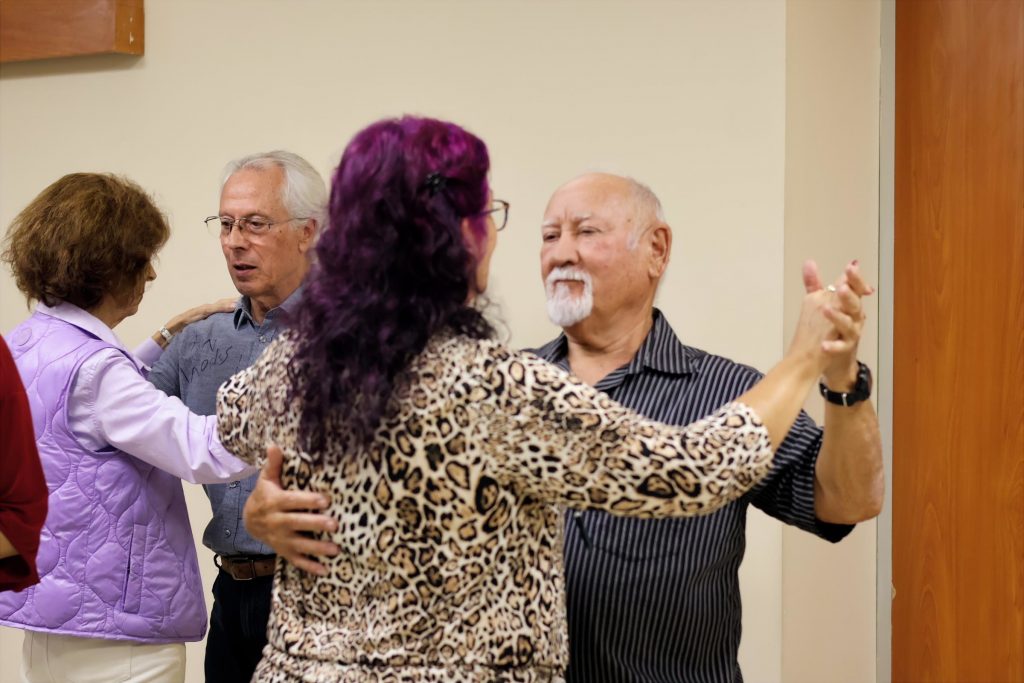
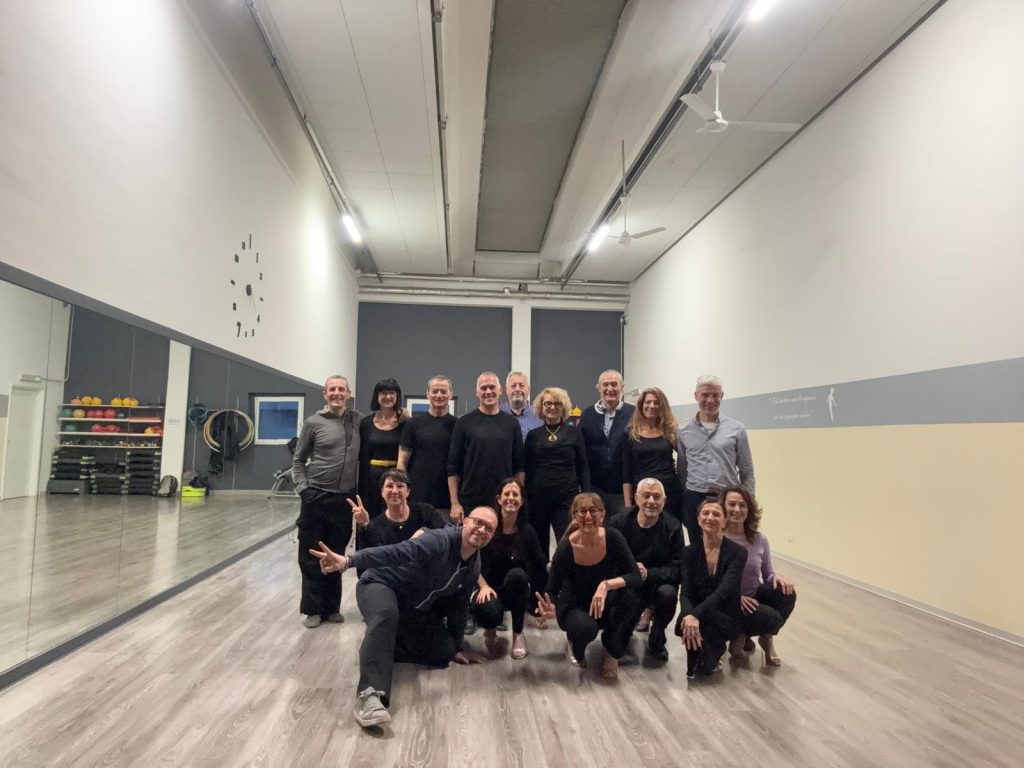
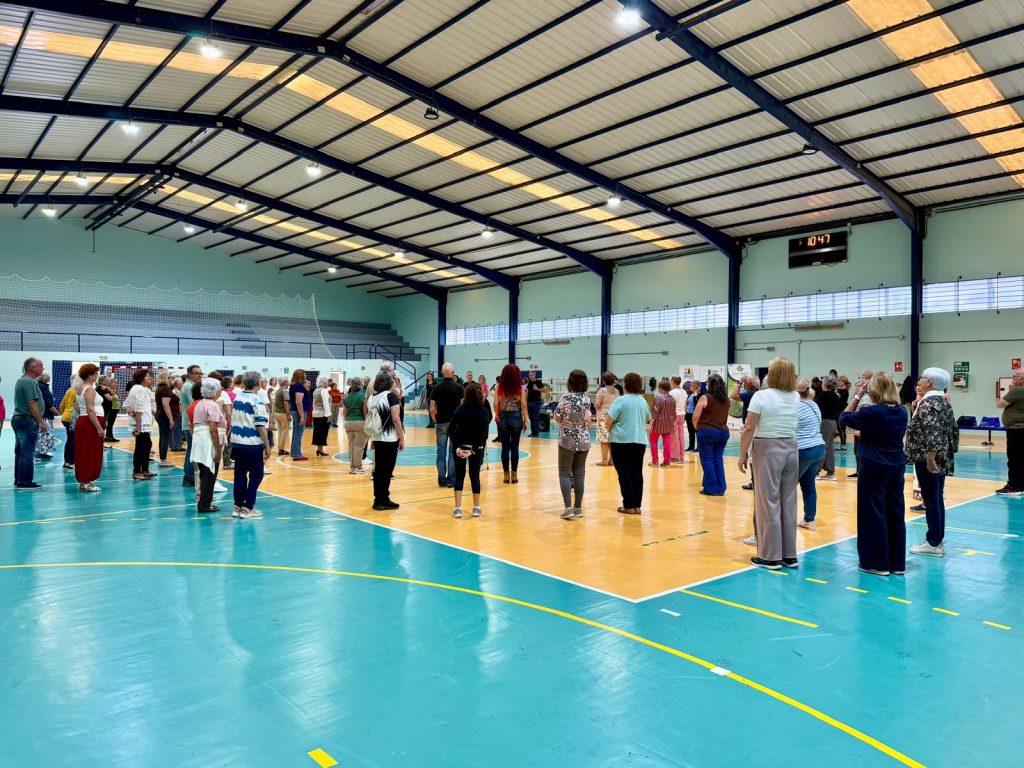
On 13 March, partners from the EU-funded STEP-BY-STEP project held their first in-person meeting in Bergamo, Italy with host A.S.D. New International to shape the project’s intervention model for older adults. Shaping the tango intervention model The gathering focused on finalising details of the STEP-BY-STEP tango programme, which promotes active ageing through dance therapy tailored for seniors, including those with neurodegenerative conditions. Hosted by Italian partner A.S.D. New International, the session built on prior virtual coordination to define structured training elements like preparatory exercises, partner work and home-based routines. Trial class gathers senior feedback Partners trialled the model with a group of local older adults, delivering a hands-on tango class to test its accessibility and impact. Participants shared views on how tango enhances physical health, such as balance and mobility, and emotional well-being, providing valuable insights to refine the approach ahead of wider rollout. Next steps for training and rollout This feedback will inform the free “Train the Trainer” courses for tango instructors, enabling sustainable delivery across Spain, Italy and France.

News

STEP-BY-STEP tango project to hold first in-person meeting in Bergamo

The partners of the STEP-BY-STEP: Tango for Active Ageing project will gather in Bergamo on Friday 13 March for their first face-to-face coordination meeting, to agree the next phase of work on an innovative tango-based programme for older adults. EU-backed tango initiative for active ageing STEP-BY-STEP is a 12‑month Erasmus+ SPORT is a small-scale project, co-funded by the European Union, that uses Argentine tango as a therapeutic tool to promote active ageing, social inclusion and improved physical and cognitive well-being among seniors, including those with neurodegenerative conditions. The consortium brings together four organisations from Spain, Italy and France: coordinator Asociación Socio-Cultural Abrazos en Movimiento in Las Palmas de Gran Canaria, A.S.D. New International in Italy, Lyon Tango Festival in France, and the consultancy Consulta Europa Projects and Innovation, also based in Spain. Bergamo meeting to finalise intervention model During the Bergamo meeting, partners will focus on agreeing the final details of the STEP-BY-STEP tango intervention model for older people, which combines preparatory movement exercises with structured tango training and home-based activities to support balance, mobility and cognitive stimulation. The model includes an assessment component, using questionnaires completed before and after the course to measure changes in participants’ physical and mental well-being. Free training for tango teachers The partners will also confirm the calendar for an upcoming “train the trainer” course, which will prepare tango teachers to deliver the new programme in their own communities. The training, to be offered free of charge, will provide both theoretical and practical guidance so that instructors can adapt tango techniques to the needs and limitations of older adults. Call for interest from local instructors Over the life of the project, each partner aims to train at least 20 seniors, with public performances planned in Spain, Italy and France to showcase participants’ progress and raise awareness of tango as a tool for active ageing. Organisers are encouraging tango teachers and schools interested in the free training to follow forthcoming announcements from the consortium and to register early once enrolment opens.

News

The Canary Islands host the launch of the European STEP-BY-STEP project on tango and older people

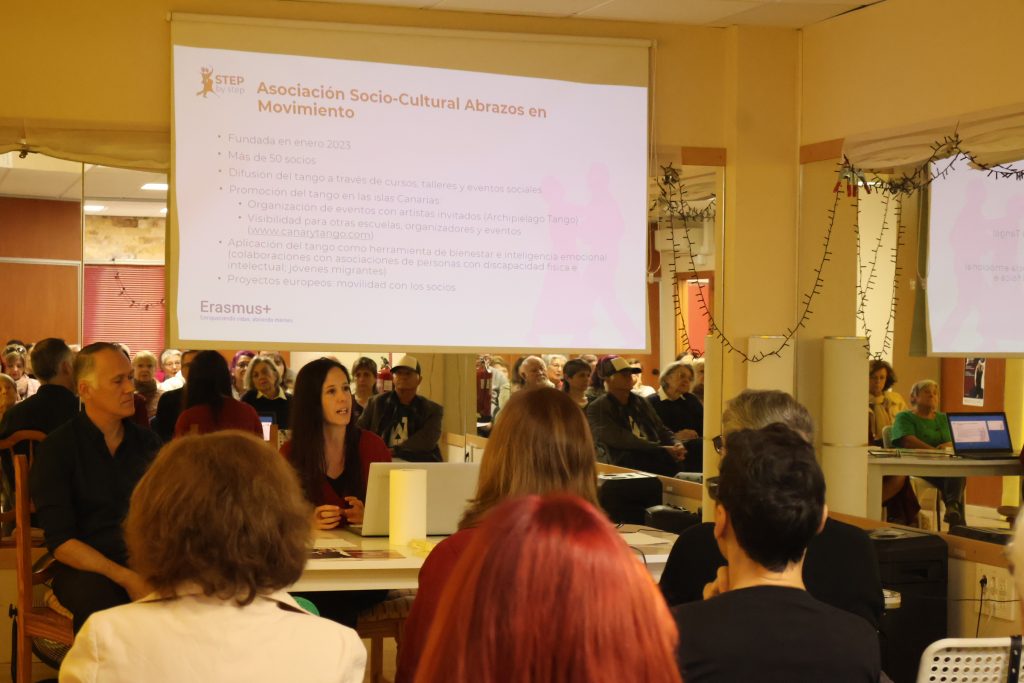
On Thursday 15 January, the Consulta Europa headquarters in Las Palmas de Gran Canaria hosted the launch of the European ERASMUS+ Sport STEP-BY-STEP project, an initiative led by the Abrazos en Movimiento Association, with the participation of Consulta Europa as a partner organisation. The project aims to design and implement an Argentine tango programme for older people, with the aim of maximising the physical, cognitive and emotional benefits of this practice, within the framework of European policies to promote active ageing and health. The event brought together professionals and organisations from the fields of sport and physical activity, social and health services, as well as associations for older people and people with cognitive impairment, and people interested in learning about new movement-based strategies to improve the quality of life of older people. During the meeting, the STEP-BY-STEP project was presented in detail, including its objectives, approach and next phases of work, together with a study of good practices and a review of the scientific literature focusing on the benefits of Argentine tango for older people and people with neurodegenerative diseases such as Alzheimer’s. This content allowed the project to be placed within an evidence-based framework. The day also included a 40-minute practical Argentine tango class for beginners, designed to be accessible and adapted to the target group, which allowed participants to directly experience the application of tango as an intervention tool in a safe and controlled environment, in line with the project’s objectives. The STEP-BY-STEP project is based on studies that show that Argentine tango and other forms of dance help to improve balance, coordination, mobility and body awareness, as well as boosting mood, memory and socialisation in older people. In this sense, tango is proposed as a non-pharmacological intervention of interest in the treatment of neurodegenerative diseases such as Alzheimer’s and Parkinson’s, as well as a complementary tool for promoting active lifestyles. The launch event marked the start of the STEP-BY-STEP project’s activities, which will continue to develop over the coming months with the aim of advancing the design of a structured, evidence-based intervention aimed at older people and transferable to different contexts and entities in the social, health and sports fields.

Scroll to Top