A New York Times report has highlighted tango’s role as an effective therapy for Parkinson’s patients in Buenos Aires, spotlighting evidence that aligns closely with the goals of the EU-funded STEP-BY-STEP project for active ageing.
Proven benefits for Parkinson’s patients
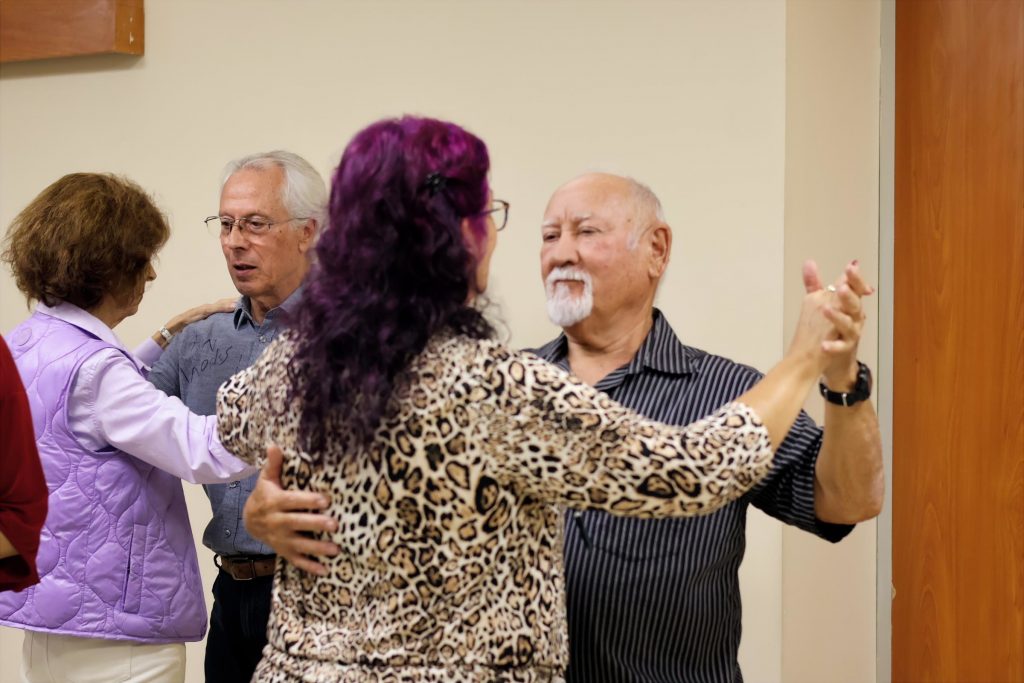
At Ramos Mejía Hospital in Buenos Aires, around a dozen Parkinson’s patients attend weekly tango sessions designed to improve balance, rigidity and coordination through the dance’s precise steps and pauses. Neurologists Nélida Garretto and Tomoko Arakaki, who helped pioneer the 15-year-old programme, note that tango’s short, slow steps and multi-sensory demands, combining motor, visual and auditory stimuli, help patients master everyday movements like starting and stopping while walking. Professional dancer Manuel Firmani leads warm-ups and classic moves such as the “sanguchito” (sandwich step), adapting them to participants’ varying abilities and encouraging application to daily tasks like navigating doorways or curbs.
STEP-BY-STEP draws parallels for neurodegenerative support
The STEP-BY-STEP project, coordinated by Asociación Socio-Cultural Abrazos en Movimiento with partners in Italy, France and Spain, explicitly targets tango’s potential for older adults, including those with neurodegenerative conditions like Parkinson’s and Alzheimer’s. Its intervention model, recently finalised at a partners’ meeting in Bergamo, incorporates preparatory exercises, structured tango training and home activities to boost mobility, cognitive stimulation and social interaction—mirroring the Buenos Aires approach. Project leaders see the NYT-highlighted outcomes as validation, reinforcing tango’s non-pharmacological benefits for gait stability, weight-shifting and emotional well-being in vulnerable groups.
Free training to expand reach
STEP-BY-STEP plans to train at least 60 seniors across partner sites, culminating in public performances, while offering free “train-the-trainer” courses to equip tango instructors with adapted methods. Research backing tango therapy, including studies on gait improvements and brain health, underpins the project’s push for sustainable integration into community and healthcare programmes. Interested teachers are urged to stay tuned for registration details.