About STEP BY STEP

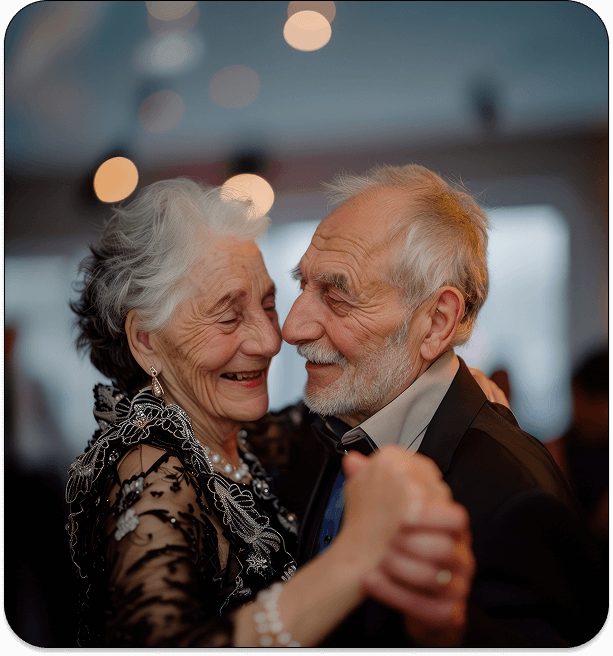
The project was born from the need to maximize the effect of Argentine tango practice for active ageing.  While tango is widely recognized for its health benefits and is very popular in Europe, teaching practices do not fully take into account the specific needs of elderly people and tango teachers are not fully a ware of those benefits and to prepared to reap those out.  STEP-BY-STEP focuses on adapting tango teaching methodologies and practices to maximize psychosocial and physical outcomes of tango dancing for elderly people. We leverage past experiences, such as the KA1 mobility project “Embracing tango to prevent neurodegenerative diseases,” to ensure our intervention is evidence-based and aligned with European best practices.

Objectives

Structured Training

Provide guided tango sessions for at least 78 seniors across Europe (26 per country).

Cognitive Stimulation

Use music and rhythm as stimulants to aid memory and emotional health.

Visibility

Showcase achievements through six public performances and class demonstrations to empower participants.

Social Inclusion

Reduce loneliness and foster community ties through partner-based activities.

Capacity Building

Equip 12 staff members and volunteers with specialized skills to teach tango to the elderly.

Sustainability

Create a replicable model through the “Handbook STEP-BY-STEP: Teaching tango for active ageing”.

TARGET GROUP

The project focuses on vulnerable elderly groups who traditionally face barriers to social and physical activities:

65+

Individuals aged 65+ at risk of social isolation.

Reduced mobility

Adults over 50 with reduced mobility or mild neurodegenerative conditions.

Disadvantaged backgrounds

Adults over 50 from disadvantaged backgrounds, ensuring equitable access to wellness.
Work Packages

The project is organized into four logical phases:

WP1

Management

Coordination of administrative and financial tasks, including monthly monitoring meetings.

WP2

Preparation

Literature review, mapping of good practices, and the recruitment of participants in each partner country.

WP3

Implementation

Delivery of 30 weekly classes (1.5 hours each) and bi-monthly social dance events over eight months. This phase concludes with public performances.

WP4

Sustainability

Development of the Teaching Handbook, production of video tutorials, and the creation of a network of potential replicators across Europe.

Scroll to Top